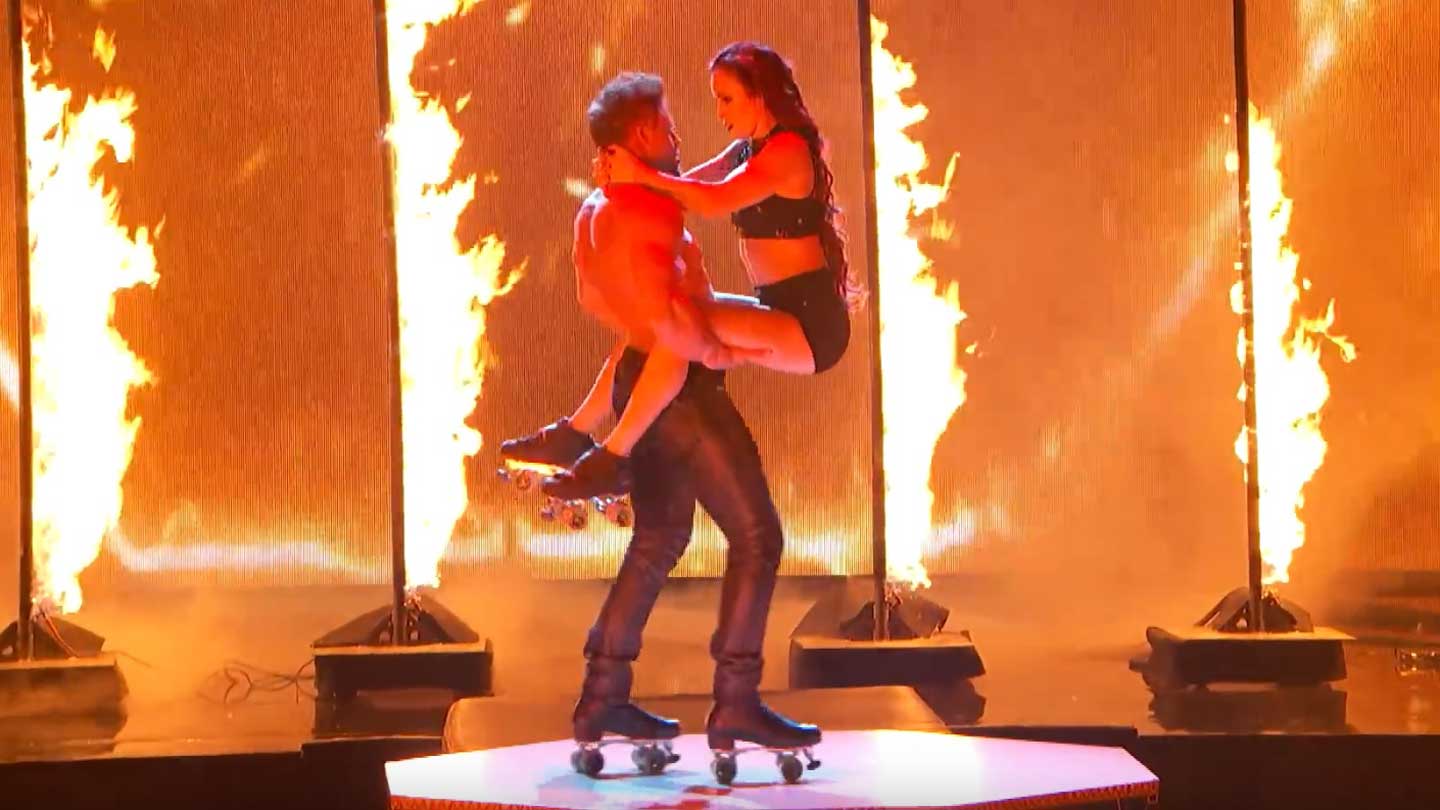
Human fascination with danger is as old as civilization itself. From the Roman gladiators who treated the arena as a canvas for survival to the modern adrenaline junkies leaping from stratospheric heights, we have always been captivated by the thin, trembling line between life and death. Stunts, daredevil acts, and calculated risks occupy a unique space in our cultural psyche. They represent the ultimate assertion of human agency: staring mortality in the face and winking.
However, the allure of the high-wire act, the gravity-defying leap, and the combustion-fueled escape comes with a terrifyingly steep price of admission. When danger acts go wrong, they transform in a single heartbeat from thrilling spectacles into stark reminders of our profound fragility.
The Illusion of Control
At the core of every great danger act lies a paradox: the performer relies on meticulous preparation to simulate absolute chaos. Audiences do not pay to see someone die; they pay to see someone almost die, sustained by the comforting illusion that superhuman skill can cheat probability indefinitely. Hours of rigorous physics calculations, equipment inspections, and rehearsed choreography go into making a stunt look entirely reckless.
Yet, this reliance on precision is precisely what makes danger acts so unforgiving. In a standard theatrical performance, a forgotten line or a missed cue results in an awkward pause. In a stunt, a millimeter’s miscalculation or an unexpected gust of wind obliterates the margin for error.
Consider the classic high-wire walk or trap-door escape. The performer’s mind is trained to compartmentalize fear, transforming adrenaline from a paralyzing panic into hyper-focus. But humans are biological entities operating in unpredictable environments. Equipment fails. Metal fatigues invisibly. Muscle memory stutters under the crushing weight of fatigue or hubris. When these variables align against the performer, the meticulously constructed illusion of control shatters, revealing the raw, indifferent chaos beneath.
The Weight of the Audience
One of the most harrowing aspects of a danger act going wrong is the collective psychological shift in the room. An audience experiences a profound vicarious thrill, their collective breathing shallow and synchronized with the performer’s movements. When a stunt succeeds, the release of tension manifests as thunderous applause and euphoric catharsis.
When a stunt goes wrong, however, that collective consciousness experiences a delayed, sickening lurch. Often, there is a surreal lag between the mishap and the realization. For a split second, spectators may think the blunder is part of the show—a theatrical feint designed to heighten the suspense. As the horrific truth dawns, the atmosphere suffocates under a blanket of stunned silence, quickly giving way to gasps, screams, or panicked motion.
This public exposure adds a tragic layer to the spectacle. Performers are acutely aware of the audience’s gaze, which can paradoxically drive them toward greater risks. The pressure to outdo yesterday’s feat, to satisfy the insatiable appetite of the crowd or the algorithm, whispers a dangerous encouragement: push harder, go faster, take it higher. The tragedy of a failed stunt is rarely just about the physical injury; it is the sudden rupture of the sacred contract between performer and spectator, turning a celebration of human triumph into a shared, public trauma.
The Legacy of Risk
Despite the grim catalog of history—the trapeze artists who misjudged a catch, the illusionists trapped by failing mechanisms, the motor-cross racers falling short of the landing ramp—our appetite for these spectacles remains completely unabated. Why?
Perhaps it is because danger acts, even in their failures, hold up a mirror to the human condition. Life itself is a high-wire act. We walk daily over chasms of uncertainty, trusting in our preparation, our relationships, and a fair amount of sheer luck to keep us balanced. When we watch a daredevil, we are watching our own internal anxieties writ large. We see our desire to break boundaries, and simultaneously, our terror of the fall.
When danger acts go wrong, they humble us. They strip away our modern insulation against mortality and force us to confront the raw physics of existence. Yet, strangely, they also immortalize those who take the leap. Those who push the envelope—whether they walk away unscathed or leave behind a cautionary tale—remind us of the fierce, burning urgency of being alive. They push right up to the edge of the abyss, proving that while human beings are terribly fragile, our desire to soar into the unknown is unbreakable.