The auditorium hummed with the restless energy typical of a massive televised talent competition. Thousands of audience members packed the seats, their conversations creating a low, ambient roar that bounced off the steel and concrete rafters. Behind the judges’ desk, the panel sat chatting, their expressions a mix of practiced scrutiny and casual boredom. They had seen it all—thousands of hopefuls singing the same pop anthems, pulling the same dramatic stunts, or wearing identical, nervous griles.
Then, the stage lights shifted.
A heavy, solemn silence rippled through the hall as a tiny figure stepped tentatively from the wings. Fourteen-year-old Chloe looked almost microscopic against the cavernous backdrop of the massive stage. With her oversized dark-rimmed glasses sliding slightly down the bridge of her nose, a faded cardigan zipped to the chin, and her hands clenched tightly in front of her, she embodied the very definition of terminal shyness. Every step she took looked deliberate and agonizing, as if gravity itself were pulling harder on her shoulders.
As she approached the microphone stand, she offered a micro-movement of her head that could barely pass for a nod.
“Hi,” she whispered into the mic, her voice barely registering above the hum of the overhead lights.
One of the judges, known for a notoriously sharp tongue and low threshold for amateur acts, leaned forward, resting his chin heavily in his hand. He let out a barely audible sigh, his body language screaming skepticism. It was a universal reaction in the room: this poor girl was entirely out of her depth. The sheer scale of the arena, the millions watching from home, and the crushing pressure of the lights looked ready to swallow her whole before she even uttered a single note.
“What is your name, sweetheart?” a kinder judge asked gently, trying to coax some warmth into the frozen air.
“Chloe,” she replied, her voice shaking violently. “I’m fourteen.”
“And what are you going to singing for us today, Chloe?”
“An original song,” she murmured.
A collective, silent groan seemed to pass through the panel. Original songs by teenage amateurs were notorious on these shows—usually resulting in clunky chord progressions, cringeworthy lyrics, and a painful three minutes of forced politeness. The judges exchanged knowing, weary glances. The stage was set for a swift, awkward rejection.
Chloe adjusted the microphone stand with trembling fingers, closed her eyes tightly, and took a deep, shuddering breath. For a agonizingly long second, nothing happened. The tension grew so thick it felt palpable.
And then, her fingers touched the keys of the stage piano.
The first chord rang out, and the atmosphere in the room shifted instantly. It wasn’t the tentative, hesitant plinking everyone expected. It was a rich, haunting, and remarkably mature melody that immediately commanded the room’s absolute attention. The low murmur of the audience died away completely, replaced by a stunned, heavy quiet.
Chloe opened her mouth.
Out poured a voice that bore zero resemblance to the trembling, fragile child who had walked onto the stage moments before. It was a voice of startling depth, shimmering with a smoky, ethereal resonance that evoked legends like Adele or Norah Jones. It carried a gravity and emotional weight that people twice her age spend decades trying to cultivate.
The lyrics weren’t the childish clichés the judges had braced themselves for. Instead, they told a deeply poignant story of quiet isolation, of feeling invisible in a crowded hallway, and of finding an inner sanctuary through music when the world outside felt too loud and harsh. Every note was delivered with pinpoint pitch accuracy, but more importantly, it was drenched in raw, unvarnished emotion.
Within ten seconds, the transformation of the judges was nothing short of cinematic.
The skeptical judge who had been resting his chin in his hand sat bolt upright, his eyes widening in genuine disbelief. He stared at the stage as if seeing a ghost, slowly removing his hand from his face. The other judges exchanged wide-eyed looks of absolute shock, their jaded facades completely melting away to reveal raw awe.
As the song progressed into its soaring chorus, Chloe seemed to undergo a physical metamorphosis. The hunch in her shoulders vanished. Her posture straightened, and though her eyes remained mostly closed, the sheer power radiating from her vocal cords filled every cubic inch of the massive arena. She was no longer a shy, terrified teenager hiding behind a cardigan; she was a master storyteller commanding a cathedral.
The audience, sensing the magic of the moment, began to sway in unison. Cell phone lights flickered on one by one in the dark stands, creating a breathtaking sea of artificial stars that mirrored the emotional climax of the performance.
When Chloe hit the final, soaring note of the song—sustaining it with a crystal-clear vibrato that hung in the air like a fragile piece of glass—she stopped playing.
For a fraction of a second, absolute silence reigned. It was the kind of quiet that precedes a revelation. And then, the dam broke.
The entire auditorium leaped to their feet in a single, unified motion. A roar of applause and cheers shook the rafters, deafening in its intensity. People were wiping tears from their eyes; others were screaming approvals, their initial doubts completely vaporized by the sheer magnitude of what they had just witnessed.
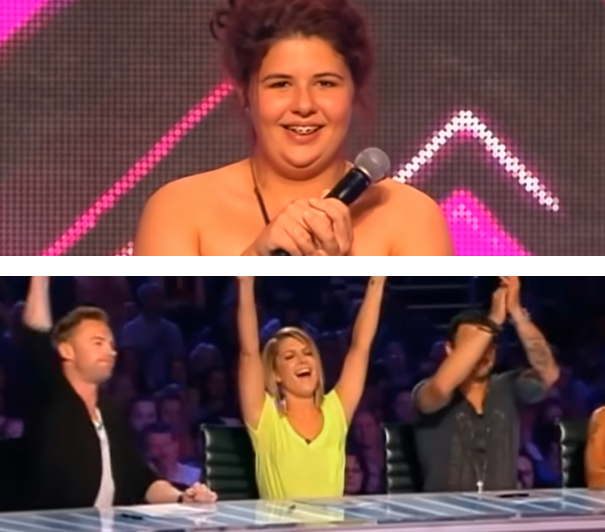
Back at the judges’ desk, the panel was standing and clapping wildly. The judge who had initially sighed was visibly moved, applauding with an expression of profound respect.
When the noise finally subsided enough for comments, the lead judge took the microphone, his voice thick with emotion. “Chloe,” he began, pausing to collect himself as the crowd continued to cheer softly in the background. “When you walked out here, to be completely honest, we thought you were going to crumble under the lights. We were wrong. We were so, so wrong. That was not just a good performance. That was a revelation. You possess a rare, extraordinary gift.”
Tears finally spilled over the rims of Chloe’s glasses, cutting tracks down her cheeks, but this time, a radiant, beautiful smile broke through her shyness. She looked out at the sea of cheering strangers who had doubted her just minutes prior, realizing in that single, transcendent moment that her voice had finally been heard.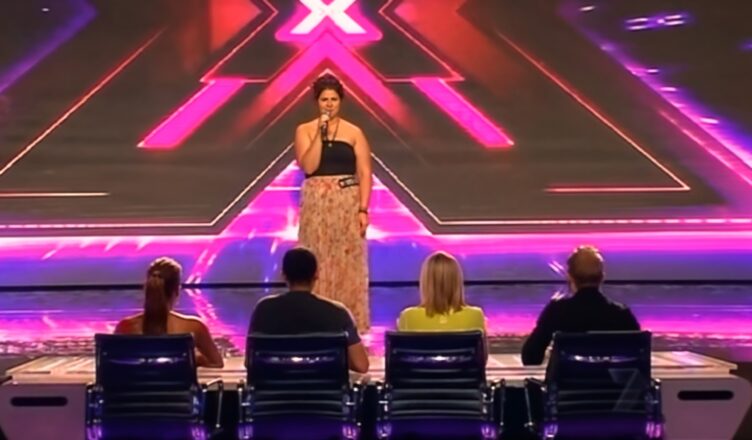
The auditorium hummed with the restless energy typical of a massive televised talent competition. Thousands of audience members packed the seats, their conversations creating a low, ambient roar that bounced off the steel and concrete rafters. Behind the judges’ desk, the panel sat chatting, their expressions a mix of practiced scrutiny and casual boredom. They had seen it all—thousands of hopefuls singing the same pop anthems, pulling the same dramatic stunts, or wearing identical, nervous griles.
Then, the stage lights shifted.
A heavy, solemn silence rippled through the hall as a tiny figure stepped tentatively from the wings. Fourteen-year-old Chloe looked almost microscopic against the cavernous backdrop of the massive stage. With her oversized dark-rimmed glasses sliding slightly down the bridge of her nose, a faded cardigan zipped to the chin, and her hands clenched tightly in front of her, she embodied the very definition of terminal shyness. Every step she took looked deliberate and agonizing, as if gravity itself were pulling harder on her shoulders.
As she approached the microphone stand, she offered a micro-movement of her head that could barely pass for a nod.
“Hi,” she whispered into the mic, her voice barely registering above the hum of the overhead lights.
One of the judges, known for a notoriously sharp tongue and low threshold for amateur acts, leaned forward, resting his chin heavily in his hand. He let out a barely audible sigh, his body language screaming skepticism. It was a universal reaction in the room: this poor girl was entirely out of her depth. The sheer scale of the arena, the millions watching from home, and the crushing pressure of the lights looked ready to swallow her whole before she even uttered a single note.
“What is your name, sweetheart?” a kinder judge asked gently, trying to coax some warmth into the frozen air.
“Chloe,” she replied, her voice shaking violently. “I’m fourteen.”
“And what are you going to singing for us today, Chloe?”
“An original song,” she murmured.
A collective, silent groan seemed to pass through the panel. Original songs by teenage amateurs were notorious on these shows—usually resulting in clunky chord progressions, cringeworthy lyrics, and a painful three minutes of forced politeness. The judges exchanged knowing, weary glances. The stage was set for a swift, awkward rejection.
Chloe adjusted the microphone stand with trembling fingers, closed her eyes tightly, and took a deep, shuddering breath. For a agonizingly long second, nothing happened. The tension grew so thick it felt palpable.
And then, her fingers touched the keys of the stage piano.
The first chord rang out, and the atmosphere in the room shifted instantly. It wasn’t the tentative, hesitant plinking everyone expected. It was a rich, haunting, and remarkably mature melody that immediately commanded the room’s absolute attention. The low murmur of the audience died away completely, replaced by a stunned, heavy quiet.
Chloe opened her mouth.
Out poured a voice that bore zero resemblance to the trembling, fragile child who had walked onto the stage moments before. It was a voice of startling depth, shimmering with a smoky, ethereal resonance that evoked legends like Adele or Norah Jones. It carried a gravity and emotional weight that people twice her age spend decades trying to cultivate.
The lyrics weren’t the childish clichés the judges had braced themselves for. Instead, they told a deeply poignant story of quiet isolation, of feeling invisible in a crowded hallway, and of finding an inner sanctuary through music when the world outside felt too loud and harsh. Every note was delivered with pinpoint pitch accuracy, but more importantly, it was drenched in raw, unvarnished emotion.
Within ten seconds, the transformation of the judges was nothing short of cinematic.
The skeptical judge who had been resting his chin in his hand sat bolt upright, his eyes widening in genuine disbelief. He stared at the stage as if seeing a ghost, slowly removing his hand from his face. The other judges exchanged wide-eyed looks of absolute shock, their jaded facades completely melting away to reveal raw awe.
As the song progressed into its soaring chorus, Chloe seemed to undergo a physical metamorphosis. The hunch in her shoulders vanished. Her posture straightened, and though her eyes remained mostly closed, the sheer power radiating from her vocal cords filled every cubic inch of the massive arena. She was no longer a shy, terrified teenager hiding behind a cardigan; she was a master storyteller commanding a cathedral.
The audience, sensing the magic of the moment, began to sway in unison. Cell phone lights flickered on one by one in the dark stands, creating a breathtaking sea of artificial stars that mirrored the emotional climax of the performance.
When Chloe hit the final, soaring note of the song—sustaining it with a crystal-clear vibrato that hung in the air like a fragile piece of glass—she stopped playing.
For a fraction of a second, absolute silence reigned. It was the kind of quiet that precedes a revelation. And then, the dam broke.
The entire auditorium leaped to their feet in a single, unified motion. A roar of applause and cheers shook the rafters, deafening in its intensity. People were wiping tears from their eyes; others were screaming approvals, their initial doubts completely vaporized by the sheer magnitude of what they had just witnessed.
Back at the judges’ desk, the panel was standing and clapping wildly. The judge who had initially sighed was visibly moved, applauding with an expression of profound respect.
When the noise finally subsided enough for comments, the lead judge took the microphone, his voice thick with emotion. “Chloe,” he began, pausing to collect himself as the crowd continued to cheer softly in the background. “When you walked out here, to be completely honest, we thought you were going to crumble under the lights. We were wrong. We were so, so wrong. That was not just a good performance. That was a revelation. You possess a rare, extraordinary gift.”
Tears finally spilled over the rims of Chloe’s glasses, cutting tracks down her cheeks, but this time, a radiant, beautiful smile broke through her shyness. She looked out at the sea of cheering strangers who had doubted her just minutes prior, realizing in that single, transcendent moment that her voice had finally been heard.