Music competition shows are frequently flooded with predictable renditions of safe pop tracks, making true, jaw-dropping innovation a rare commodity. Yet, every so often, a performance materializes that transcends the television screen, halts the cynical machinery of the music industry, and captures the collective imagination of the internet.
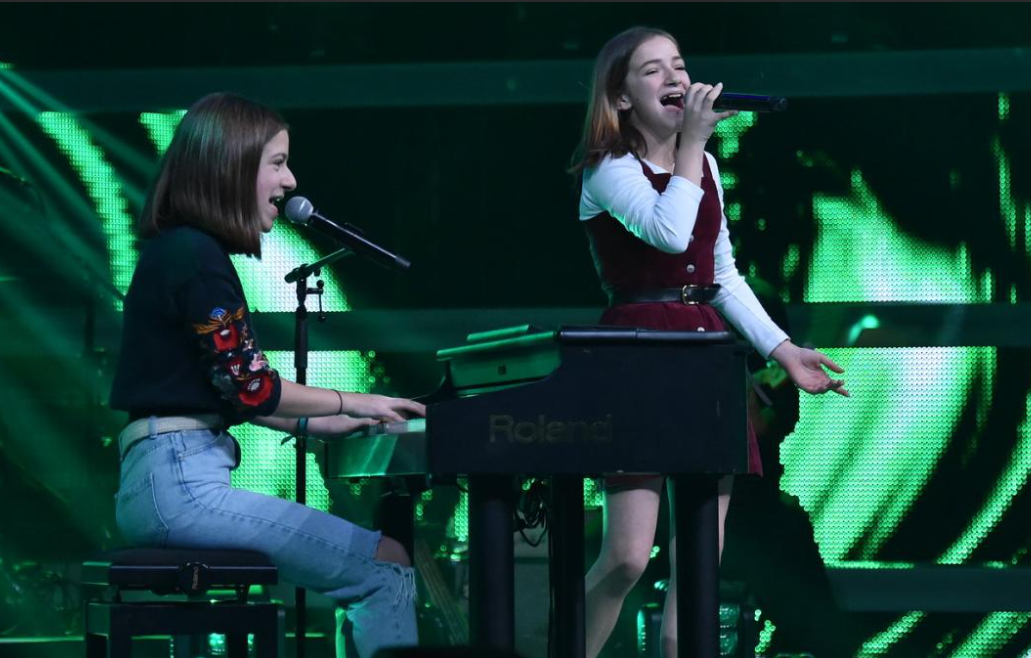
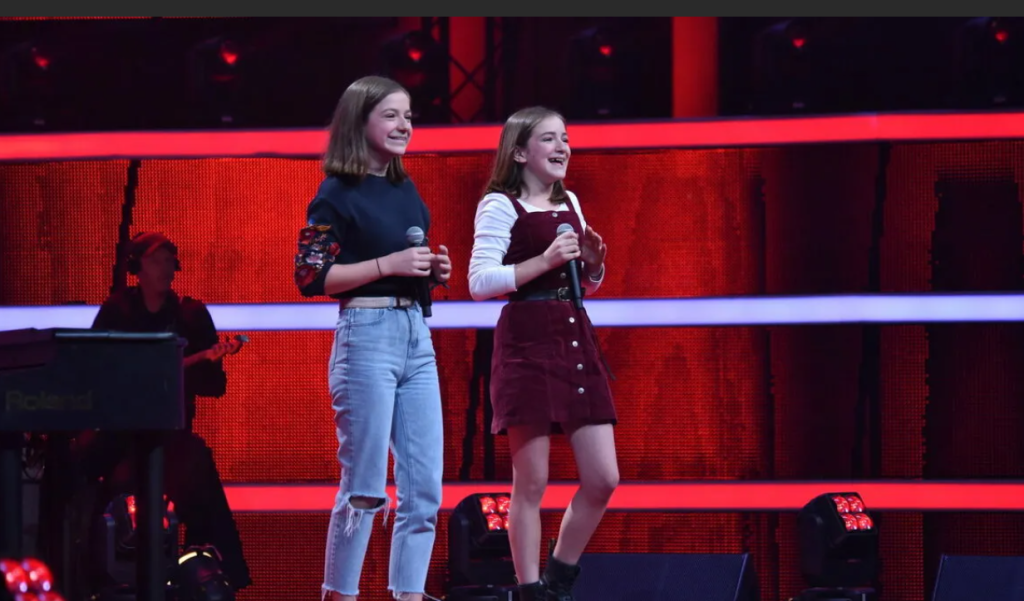
This exact phenomenon occurred on an episode of The Voice Kids Germany, when young sisters Mimi and Josefin stepped onto the stage to deliver a haunting, masterclass cover of Radiohead’s iconic 1993 rock anthem, “Creep”. Stripped of excess production and heavy instrumentation, their performance did more than just turn chairs—it left the veteran coaches utterly speechless, redefining what a cover song could achieve.
Deconstructing a Modern Masterpiece
Radiohead’s “Creep” is a notoriously difficult track to interpret successfully. Written as an anthem of agonizing self-doubt, alienation, and unrequited infatuation, the song relies heavily on the fragile dichotomy between quiet, self-loathing verses and explosive, distortion-drenched choruses. Thom Yorke’s original vocal delivery is steeped in raw, visceral vulnerability. When artists attempt to cover it, they often fall into one of two traps: they either over-sing it with forced theatricality, or they fail to capture the underlying melancholy, reducing a deeply emotional confession to a generic acoustic tune.
Mimi (then 15) and Josefin (then 13) managed to completely bypass these pitfalls by leaning into a stark, minimalist arrangement centered around a haunting piano melody. Rather than mimicking the angst of an alt-rock band from the 1990s, the Bavarian-Swedish sisters approached the song with an eerie, ethereal maturity that felt entirely their own.
The Blind Audition: A Masterclass in Tension
As the performance begins, the understated piano chords establish an immediate, solemn atmosphere. One sister takes the initial lines, her voice possessing a crystal-clear, trembling purity that cuts straight to the core. There are no vocal gymnastics for the sake of showing off; every note is measured, intentional, and dripping with emotional weight.
When the second sister joins in for the harmony, the textural shift elevates the performance into another dimension. Sibling harmonies often possess an uncanny, blood-bound resonance—a natural blending of tones that unrelated vocalists struggle to replicate. Their voices weave together seamlessly, creating a chilling wall of sound that feels simultaneously fragile and immense.
As they approach the iconic pre-chorus build-up—“But I’m a creep, I’m a weirdo”—the tension in the room becomes palpable. In the original song, this moment explodes into Jonny Greenwood’s aggressive guitar crunch. Instead, Mimi and Josefin harness dynamic control, holding back and letting the sheer emotional weight of their vocal blend carry the impact. When they hit the phrase, “What the hell am I doing here? / I don’t belong here,” the resonance is staggering.
The Judges’ Reaction: Genuine Awe
On The Voice Kids, the coaches’ backs are turned to the contestants during the initial audition, forcing them to judge purely on vocal capability. It did not take long for the panel—consisting of prominent European artists like Lena Mayer-Landrut, Mark Forster, Stefanie Kloß, and the duo The BossHoss—to realize they were witnessing something extraordinary.
Chairs began to spin around almost immediately, revealing two remarkably poised young girls standing under the spotlight. But the true measure of the performance’s power wasn’t just the unanimous four-chair turn; it was the physical reaction of the judges once they faced the stage.
“You belong here!” coach Hoss Power declared, playing brilliantly on the song’s famous lyrics to validate the girls’ undeniable right to occupy that stage.
Other coaches sat with their jaws dropped, eyes wide, struggling to articulate their amazement. One coach jokingly pretended to collapse onto the floor in sheer disbelief, completely overwhelmed by the emotional magnitude of what two teenagers had just conjured out of thin air. The audience erupted into a rapturous standing ovation, refusing to let the moment fade without demanding an encore.
A Cultural Touchstone
The performance quickly escaped the confines of television, exploding across YouTube and social media platforms to amass tens of millions of views. Viewers worldwide found themselves sharing the same reaction as the coaches: total speechlessness.
In an era where music is frequently over-processed and engineered for quick algorithmic consumption, Mimi and Josefin’s “Creep” served as a powerful reminder of the impact of raw, unadulterated artistry. It proved that you do not need decades of life experience or screaming distortion pedals to convey profound heartbreak; sometimes, all it takes is two pure voices, a piano, and the courage to strip a song down to its bleeding soul.
Ultimately, Mimi and Josefin didn’t just win The Voice Kids that season; they delivered a timeless, haunting interpretation of a classic that will continue to give listeners goosebumps for generations to come.